
Pet Dental Care in Markham
Rouge River Animal Hospital provides veterinary dentistry and oral surgery for dogs and cats in Markham, Unionville, Richmond Hill, and Scarborough. From routine cat and dog dental cleaning and tartar removal to extractions and dental radiographs, our team focuses on protecting your pet’s comfort, oral health, and overall wellness.
Why Veterinary Dentistry Matters
Dental disease can affect far more than your pet’s teeth and gums. Plaque, tartar buildup, and untreated periodontal disease may contribute to pain, difficulty eating, infection, and other health complications over time. Our animal dental clinic provides comprehensive dental exams, professional cleanings, oral surgery, and preventive care tailored to your pet’s needs and comfort level.
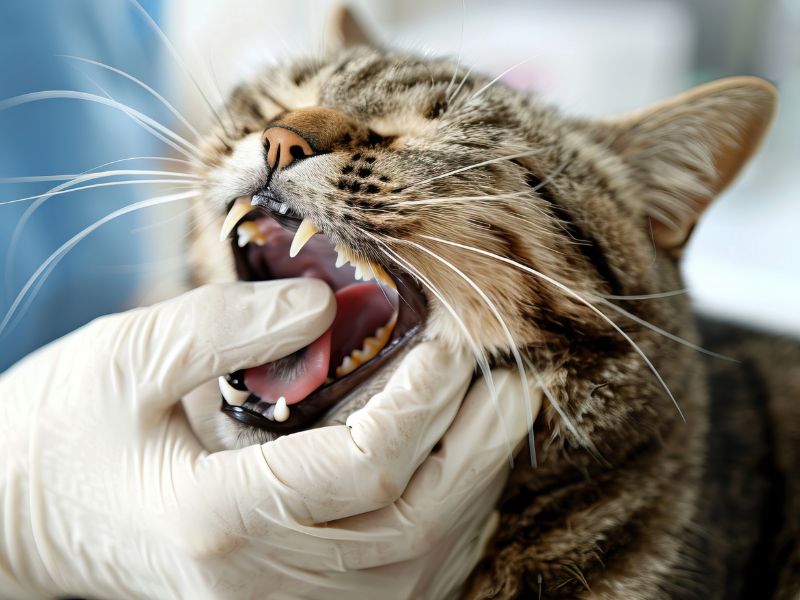
What to Expect During Your Pet’s Dental Visit
Our veterinary dentistry process is designed to provide clear communication and thorough care from consultation through recovery. We evaluate your pet’s oral health, discuss treatment recommendations, and create a personalized dental care plan that supports long-term wellness.
Helping Pets Maintain Healthier Teeth and Gums
Preventive dental care supports comfort, eating habits, and long-term overall health.
Routine veterinary dentistry helps reduce plaque buildup, manage periodontal disease, and improve your pet’s quality of life. During dental visits, our team may recommend professional cleanings, extractions, at-home dental care strategies, or periodontal treatments based on your pet’s oral health findings.
Dental Cleanings
Professional cleanings remove plaque and tartar buildup while helping prevent infection, gum disease, and tooth loss.

Oral Surgery
When damaged or infected teeth require treatment, we provide careful extractions and supportive aftercare recommendations.
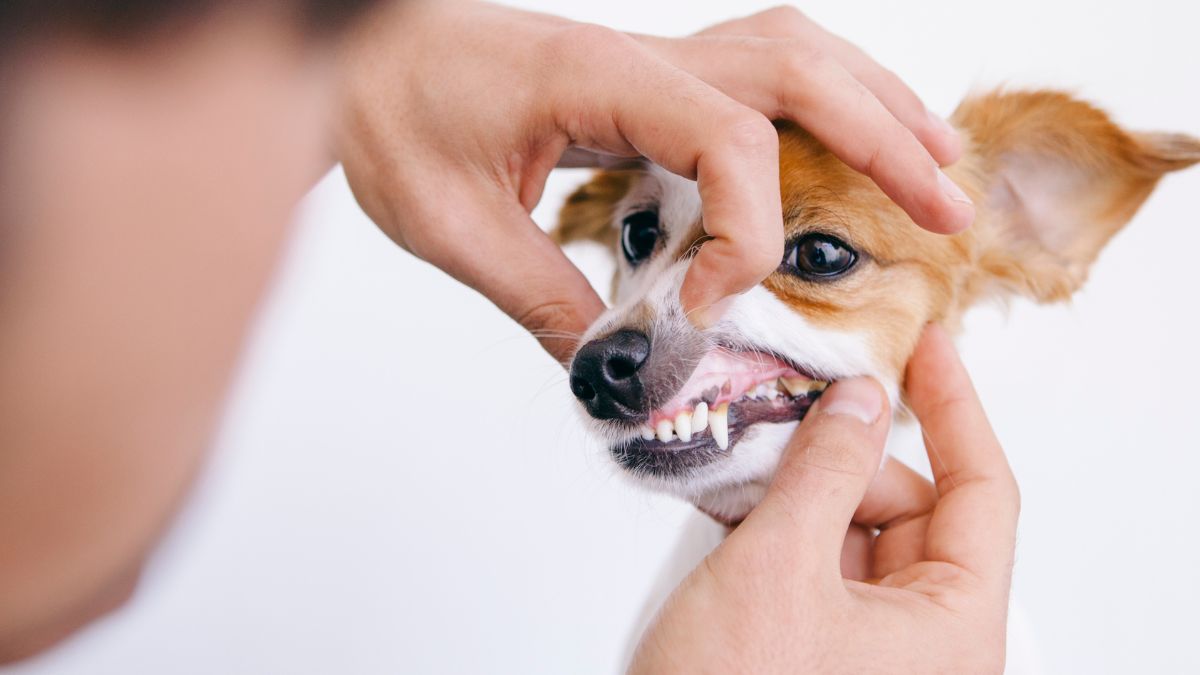
Veterinary Dentistry FAQs
Learn more about dog and cat dental cleaning, veterinary dentistry, oral surgery, and preventive dental care for pets.
How often should my pet have a dental cleaning?
Most dogs and cats benefit from annual dental evaluations, though some pets may require more frequent cleanings depending on plaque buildup, breed, age, or existing dental disease. Regular exams help identify oral health concerns early.
What are signs my pet may have dental disease?
Common signs include bad breath, yellow or brown tartar buildup, red gums, drooling, difficulty chewing, loose teeth, pawing at the mouth, or changes in eating habits. Pets may also hide oral discomfort until disease becomes more advanced.
Are dental X-rays important during pet dental procedures?
Yes. Dental radiographs allow veterinarians to evaluate areas below the gumline that cannot be seen during a visual exam alone. X-rays help identify tooth root problems, infection, bone loss, and hidden damage.